
Korean snack exporters build on cultural demand, but supply chains lag
Export demand is running ahead of manufacturing capacity and cold-chain readiness.
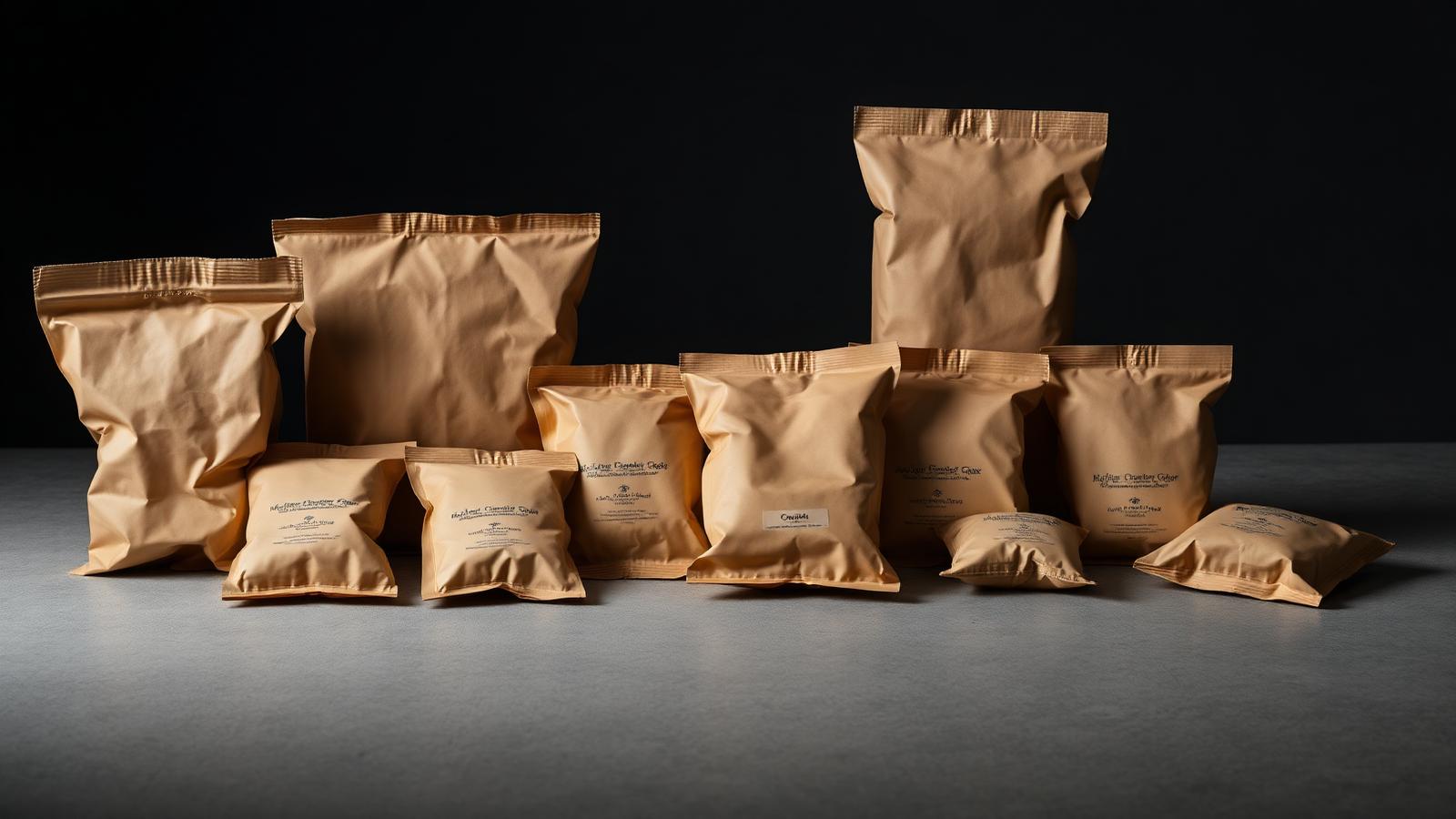
CPG Explained
- What happened
- Korean snack exports are constrained by capacity, not demand.
- Why it matters
- Provenance positioning conflicts with the logic of regional manufacturing.
- What's next
- Watch capacity investment decisions and any move to regional licensed production.
Korean snack and convenience food brands continue to gain distribution across Asia, supported by sustained cultural interest and strong retailer appetite for differentiated assortment.
Demand is no longer the constraint. Manufacturing capacity, export-grade packaging and cold-chain readiness are. Several exporters have deferred market entries not for commercial reasons but because they cannot reliably serve incremental volume without compromising existing accounts.
Capacity decisions ahead
The strategic question is whether to invest in domestic capacity for export or to license and manufacture regionally. Regional manufacturing lowers logistics cost and tariff exposure but risks the provenance positioning that underpins the category's premium.
Last updated 17 Aug 2026, 18:03
About the author
Mei Tanaka
Brands Correspondent
Mei reports on brands, product innovation and marketing from Tokyo.
Related coverage
Kirin pushes deeper into wellness with Asia-wide supplements rollout
Kirin Holdings will extend its health science range into six Asian markets this year, in the clearest signal yet that Japan's brewers are reweighting portfolios towards wellness.
Indonesian instant noodle makers face a margin squeeze as wheat and palm costs diverge
Indonesian noodle producers are absorbing input volatility rather than passing it through, betting that volume defence matters more than short-term margin.
Japan's functional beverage boom reaches its regulatory reckoning
Regulators in Japan are applying closer scrutiny to functional food claims, which will slow launch velocity in one of Asia's most innovative beverage markets.