
Hong Kong's premium grocery format finds its footing after a difficult reset
Smaller footprints and tighter assortments are restoring format economics.
CPG Explained
- What happened
- Hong Kong premium grocers are recovering through smaller stores and tighter ranges.
- Why it matters
- Assortment reduction is improving margin without price competition.
- What's next
- Watch listing thresholds tighten further for slow-moving premium SKUs.
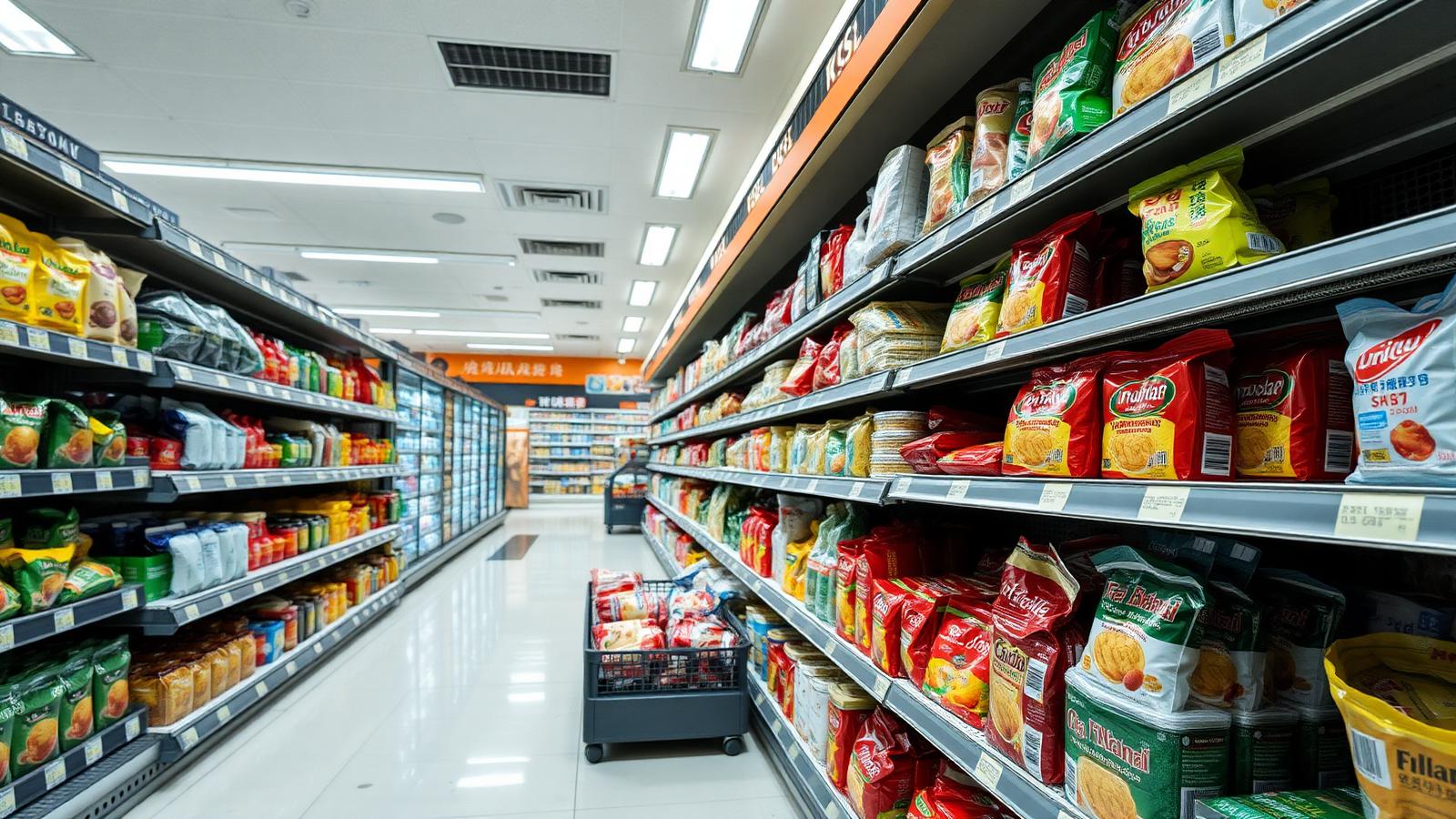
Premium grocery in Hong Kong went through a painful reset as cross-border shopping patterns changed and rental economics tightened. The operators that have recovered did so by shrinking rather than discounting.
Smaller footprints with tightly curated assortments have proven more defensible than large-format stores attempting to match mainstream price points. Assortment reduction of thirty per cent or more has, in several cases, improved both availability and gross margin simultaneously.
Supplier consequences
For suppliers, this means fewer listing slots and higher performance thresholds. Slow-moving premium SKUs that survived on assortment breadth are being delisted quickly.
Last updated 17 Aug 2026, 18:03
About the author
Daniel Kwok
Business Editor
Daniel writes on deals, capital and corporate strategy in the consumer sector across Greater China.
Related coverage
Thailand's convenience channel returns to volume growth as basket sizes shrink
Convenience store traffic in Thailand rose through the first half, but average basket value fell, pointing to a consumer trading down within trip rather than cutting trips.
Singapore grocery retailers accelerate private label as suppliers push through cost increases
Singapore's grocery operators are broadening private label into mid-tier positions, a structural change in the balance of power with branded suppliers.
Philippine sari-sari digitisation reshapes route-to-market economics
Digital ordering platforms serving Philippine micro-retailers are altering the balance of influence between manufacturers, distributors and store owners.