
Singapore grocery retailers accelerate private label as suppliers push through cost increases
Own-brand ranges are expanding beyond entry price points into mid-tier quality positions.
CPG Explained
- What happened
- Singapore grocers are extending private label into mid-tier quality positions.
- Why it matters
- It changes negotiating leverage between retailers and branded suppliers.
- What's next
- Watch which categories retailers target next and how branded suppliers respond on trade terms.
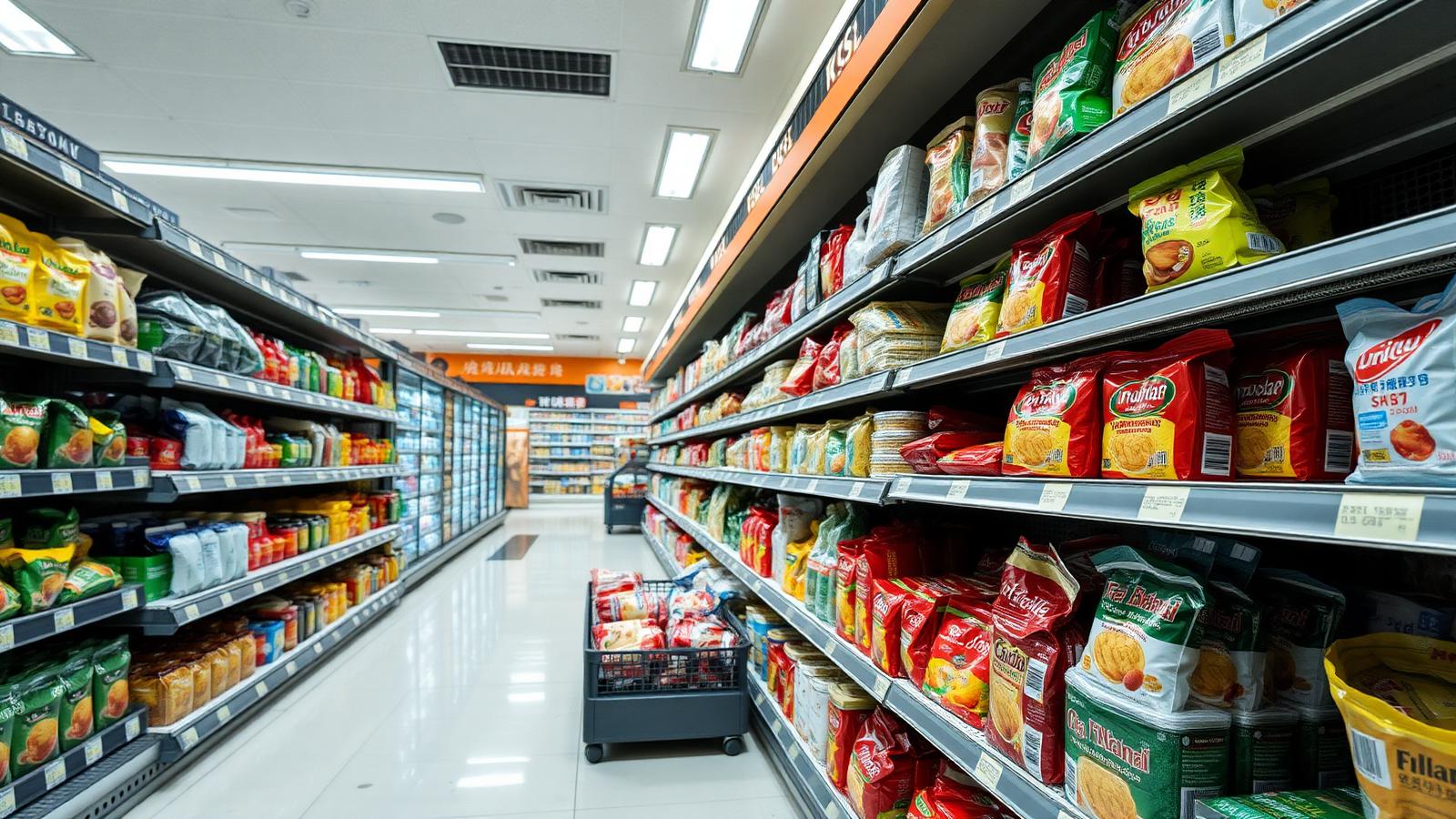
Private label in Singapore has historically been an entry-price play. That is changing. Retailers are extending own-brand ranges into mid-tier quality positions, directly targeting the price-value space that mainstream branded products occupy.
The trigger has been a sustained round of supplier cost increases. Where retailers previously accepted price rises and passed them to shoppers, several are now responding by developing own-brand alternatives in the affected categories, using the threat of substitution as a negotiating instrument.
Category exposure varies
Commoditised categories such as paper goods, staples and basic dairy are the most exposed. Categories with genuine formulation differentiation or strong brand equity remain resilient, though the definition of what qualifies is narrowing each year.
Last updated 17 Aug 2026, 18:03
About the author
Sarah Lim
Digital Editor
Sarah leads HELLO CPG coverage of digital commerce, data and consumer technology.
Related coverage
Thailand's convenience channel returns to volume growth as basket sizes shrink
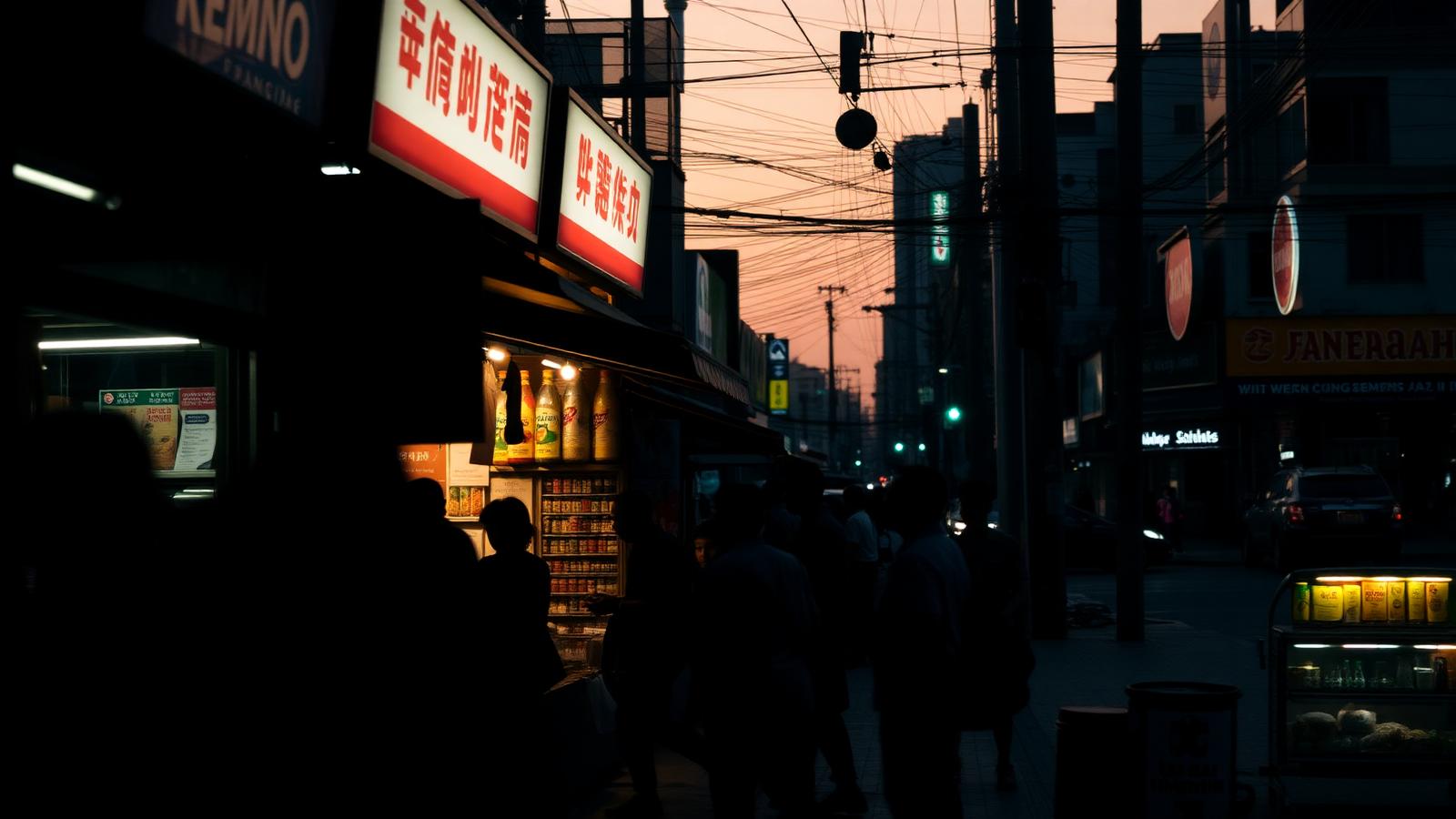
Convenience store traffic in Thailand rose through the first half, but average basket value fell, pointing to a consumer trading down within trip rather than cutting trips.
Philippine sari-sari digitisation reshapes route-to-market economics
Digital ordering platforms serving Philippine micro-retailers are altering the balance of influence between manufacturers, distributors and store owners.
Hong Kong's premium grocery format finds its footing after a difficult reset
Premium grocery operators in Hong Kong are recovering profitability through smaller stores and sharply reduced assortment rather than price competition.