
Why Asian Consumers Are Trading Down and Splurging at the Same Time
New data shows Asian consumers cutting back sharply on routine purchases while splurging deliberately on products tied to identity and cultural moments, a pattern reshaping how CPG brands should think about pricing and portfolio strategy.

Consumer sentiment across Asia Pacific has been cautious through 2026, yet spending has not fallen in step. The apparent contradiction points to a more selective kind of consumer behavior reshaping how CPG brands need to think about pricing and portfolio strategy across the region: households cutting back sharply on some purchases while splurging deliberately on others.
Globally, affluent consumers are projected to account for $35.9 trillion in spending in 2026, compared with $31.6 trillion from core consumers, according to NielsenIQ's 2026 "Tale of Two Consumers" report, despite affluent households being far smaller in number. The report frames the opportunity for brands as one of value capture rather than volume growth. Affluent consumers, it notes, will keep upgrading but not indiscriminately, since there is a ceiling on how many additional premium units a high-income household will buy. Price-constrained consumers, meanwhile, still trade up selectively, choosing specific moments where a higher price feels justified while cutting back everywhere else.
The same report projects that the West's share of the world's core consumer base will fall from 41% to 13% by 2036, with the difference increasingly made up by expanding mass markets across Emerging Asia, Africa and Latin America, a shift that puts more pressure on brands to localize pricing and portfolio strategy by market rather than applying a single global playbook.
Research from the Asia Business Council's 2026 Spring Briefing describes a pattern specific to younger Asian consumers: trading down on everyday products and routine spending, while selectively splurging on purchases that deliver an emotional or identity-driven payoff, such as products tied to cultural moments, fandoms or a sense of belonging. The report argues this behavior is not simply defensive cost-cutting, but a deliberate reallocation of spending toward fewer, more meaningful purchases.
Notably, the report positions Asia's Gen Z consumers as increasingly setting trends that later spread globally, arguing that their preference for authenticity, cultural relevance and local flavor is shifting share toward homegrown and regional brands and away from Western incumbents perceived as less price-accessible or culturally attuned to local markets.
Inflation across developing Southeast Asia is forecast to rise from 2.3% in 2025 to 3.2% in 2026, according to the Asian Development Bank's April 2026 outlook, driven by strengthening domestic demand and upward pressure on energy and food production costs. Visa's 2026 economic outlook notes that while headline inflation has moderated in some markets, affordability concerns persist, particularly as the base-effect benefits that eased food prices in prior years begin to fade. The result, Visa's analysis suggests, is that consumers increasingly judge brands less on whether price increases have slowed and more on whether everyday purchases remain affordable at all.
For CPG brands operating across Asia, the emerging pattern suggests that a single pricing or premiumization strategy applied uniformly across a portfolio is likely to misread the market. The same household trading down on routine grocery items may simultaneously pay a premium for a limited edition flavor, a collaboration product, or a format tied to a cultural moment. Visa's analysis further suggests that brands chasing premiumization in Asia should look beyond established affluent markets such as Japan, Hong Kong, Singapore and mainland China, where aspirational, accessible entry points into premium categories may offer faster growth among emerging affluent consumers in developing Southeast Asian and South Asian markets.
Sources: NielsenIQ, "A Tale of Two Consumers: Premiumization and Spending Trends," 2026. Asia Business Council, "Asia's New Consumer Economy," Spring Briefing, March 2026. Visa Consulting & Analytics, "Asia Pacific consumer spending: What to expect in 2026." Asian Development Bank, "Asian Development Outlook," April 2026.
Last updated 25 Sept 2026, 17:22
About the author
Sarah Lim
Correspondent, Asia
Sarah leads CPG coverage of brand launches, expansion strategies, consumer trends, retail distribution, marketing and the evolving ways brands connect with Asian shoppers.
Related coverage

Inside Asia's Solo Economy: What Single-Person Households Actually Buy
Single-person households now make up more than 42% of all households in South Korea and a quarter in China, with Southeast Asia the fastest-growing segment in the region. New data shows what solo consumers actually spend on, and why CPG brands need a distinct strategy for this segment.

Why Asia's Zero-Alcohol Boom Looks Nothing Like a Single Regional Trend
Japan's non-alcoholic beer market is the world's second-largest, built on a 2007 drink-driving law and decades of brewer investment. China and Vietnam are following entirely different paths, shaped by cost, taxi availability and strict enforcement rather than a shared regional health trend.
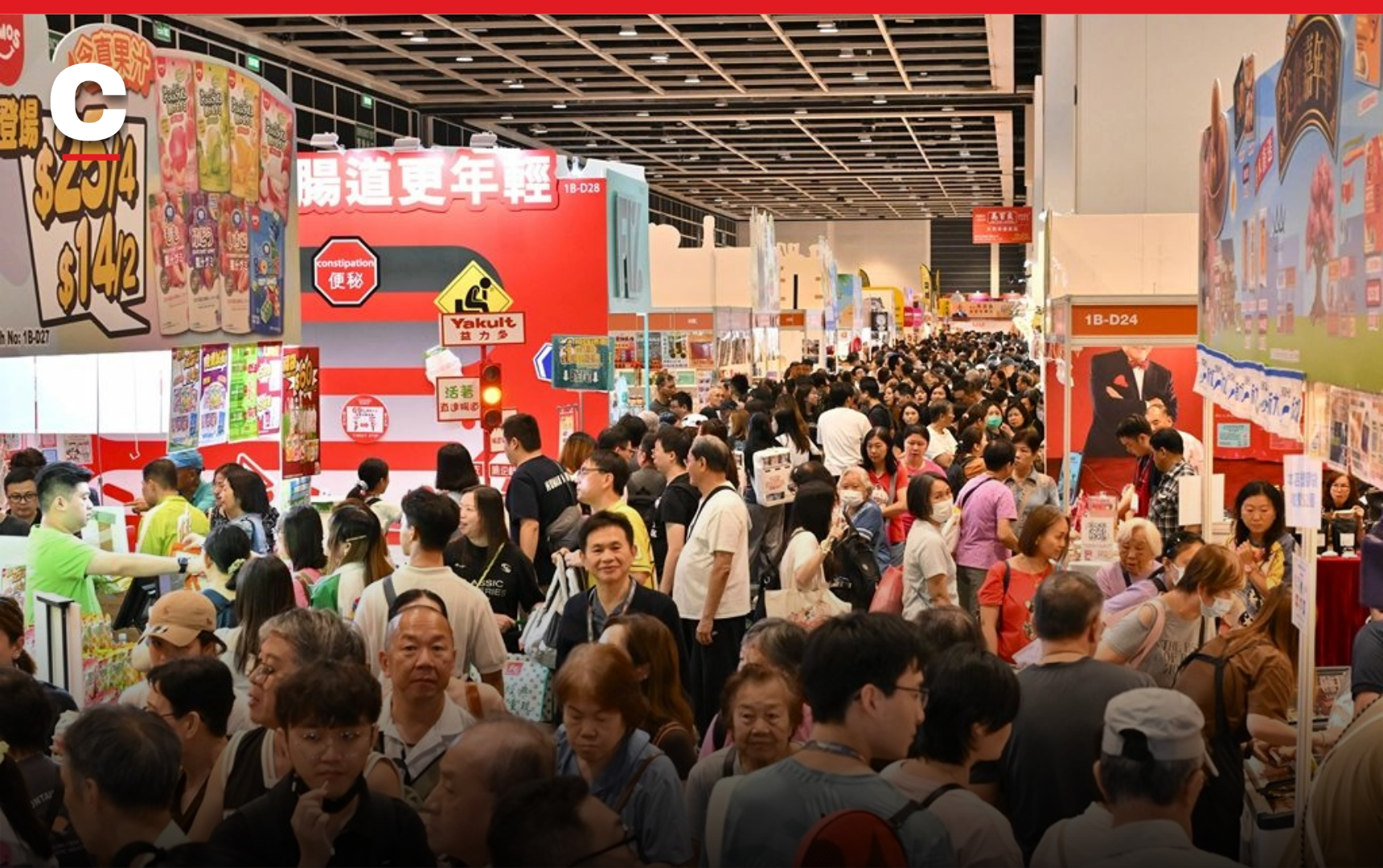
HKTDC Food Expo 2026 Opens in Hong Kong, Positions City as F&B Hub
The 36th HKTDC Food Expo opened in Hong Kong on August 13, running alongside the Beauty & Wellness Expo, Home Delights Expo and an expanded Hong Kong International Tea Fair, as the city positions itself as a regional F&B trading hub connecting global brands with Mainland China and Asian markets.