
HKTDC Food Expo 2026 Opens in Hong Kong, Positions City as F&B Hub
The 36th HKTDC Food Expo opened in Hong Kong on August 13, running alongside the Beauty & Wellness Expo, Home Delights Expo and an expanded Hong Kong International Tea Fair, as the city positions itself as a regional F&B trading hub.
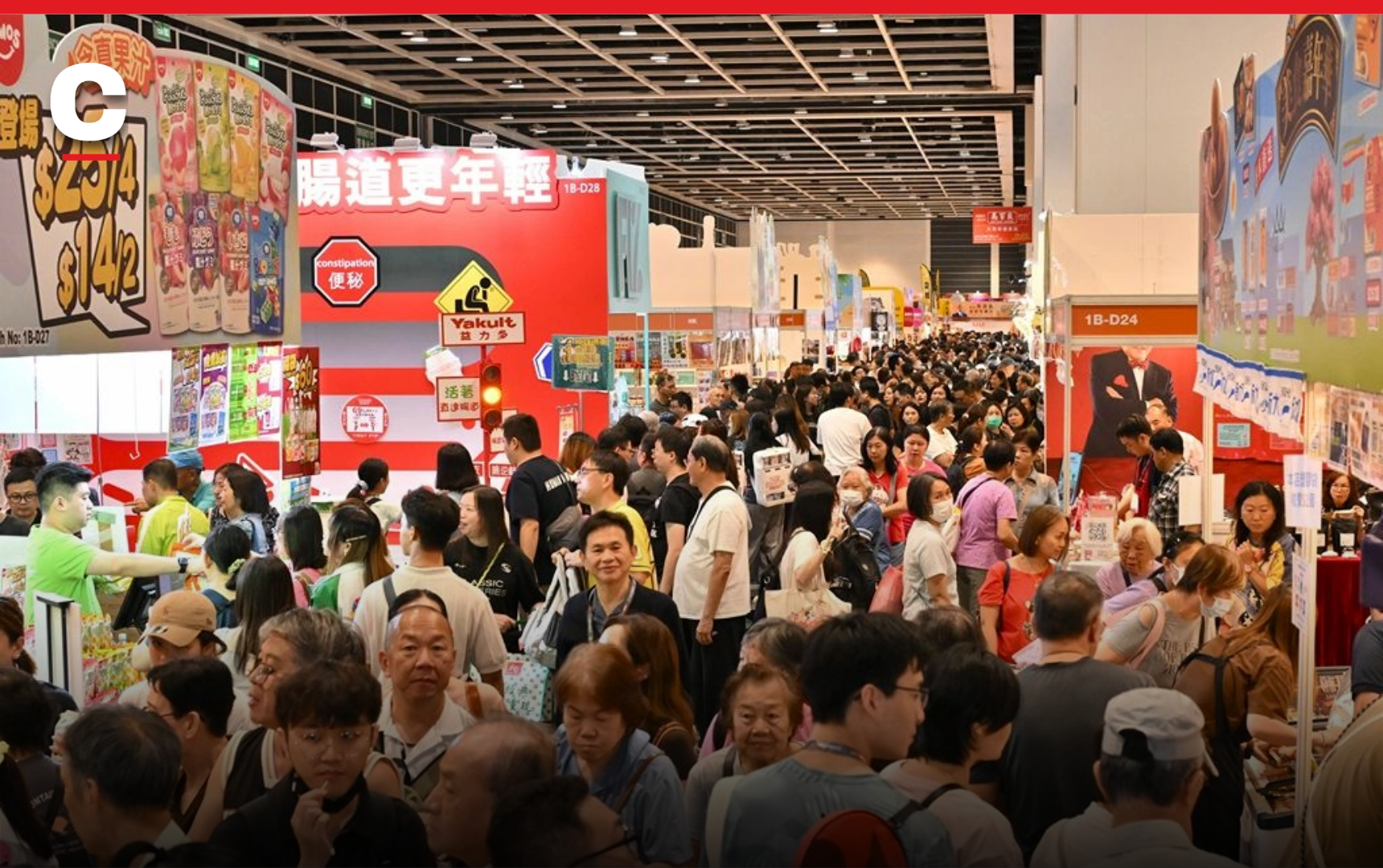
The 36th HKTDC Food Expo opened in Hong Kong on August 13, running alongside the concurrent Beauty & Wellness Expo, Home Delights Expo and Hong Kong International Tea Fair at the Hong Kong Convention and Exhibition Centre. The fairs ran for five days through August 17, organized by the Hong Kong Trade Development Council (HKTDC).
Food Expo PRO, the trade-focused segment of the event, was open exclusively to trade buyers for its first two days, August 13 and 14, before welcoming both trade buyers and the general public on August 15. The format reflects a broader trend among Asian food trade fairs toward a hybrid structure, giving importers, wholesalers, retailers and e-tailers dedicated sourcing time before the show opens more broadly to consumers.
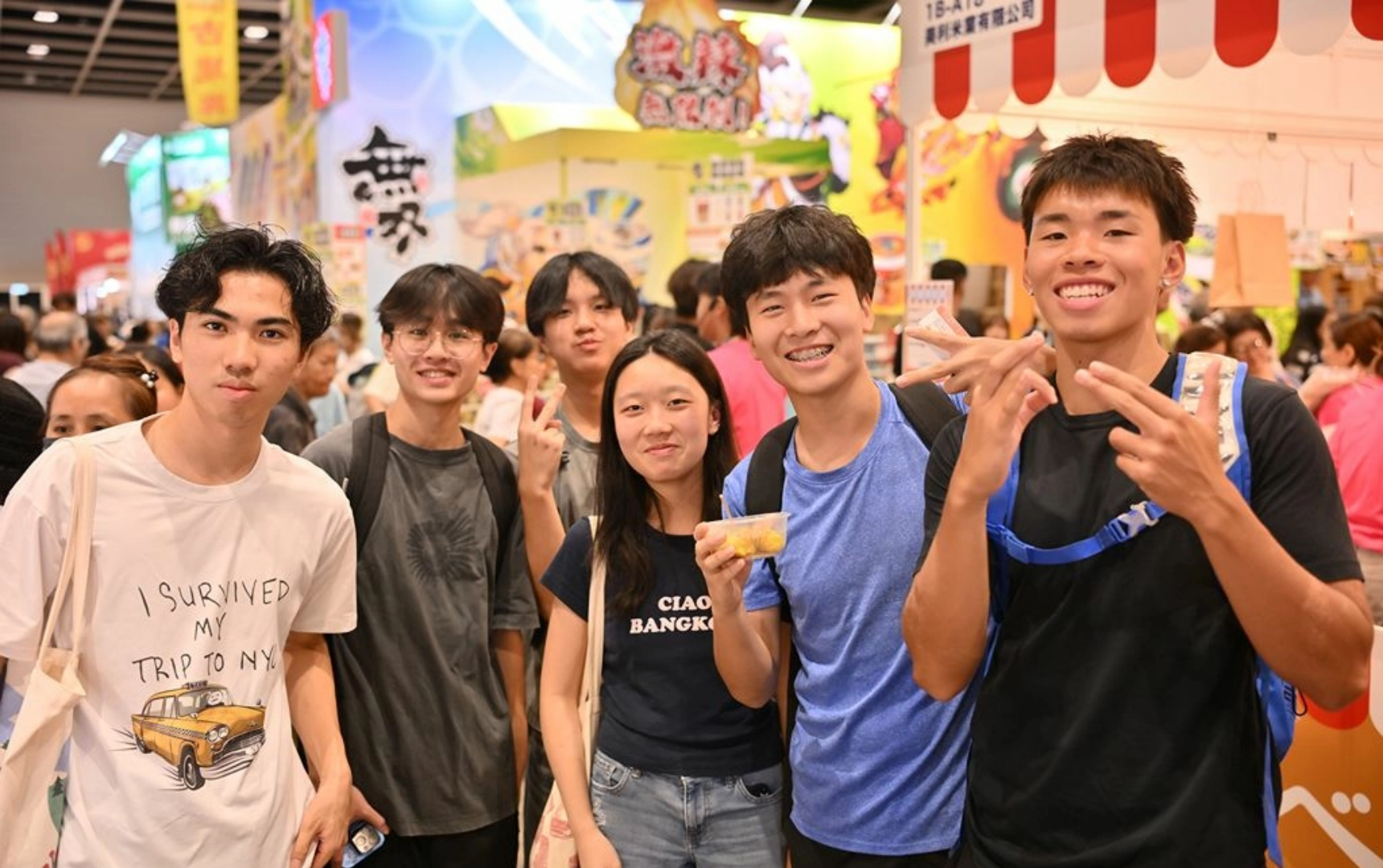
HKTDC officials framed the event around Hong Kong's role as a food trading hub connecting global manufacturers with Mainland China and wider Asian markets, citing the city's logistics infrastructure and supply chain management capabilities. The expo's stated theme centered on healthier, happier and more balanced lifestyles, positioning food, beverage and wellness products together across the four concurrent fairs.
The concurrent Hong Kong International Tea Fair, held for all three of its public days, built on strong turnout from 2025, when the four concurrent fairs together attracted more than 500,000 visits under a business-to-business-to-consumer (B2B2C) format. For 2026, the Tea Fair introduced an expanded "Tea Culture" concept, moving beyond traditional tea brewing to include tea-pairing pastries, tea-based mocktails and sparkling tea, alongside teaware and a dedicated "Tea-and-Zen" experiential space.

Trade fairs remain a primary channel through which Asian food and beverage brands secure distribution deals and international buyer relationships, particularly for small and mid-sized producers without existing export infrastructure. The Food Expo's hybrid trade-and-public format, combined with its integration alongside beauty, wellness and home categories, reflects how Hong Kong is positioning itself to compete with larger regional shows, including Bangkok's THAIFEX-Anuga Asia, for exhibitor and buyer attention across Asia's food and beverage sourcing calendar.
Reporting reference: Hong Kong Trade Development Council
Last updated 31 Aug 2026, 11:43
About the author
Sarah Lim
Correspondent, Asia
Sarah leads CPG coverage of brand launches, expansion strategies, consumer trends, retail distribution, marketing and the evolving ways brands connect with Asian shoppers.
Related coverage
Why Asian Consumers Are Trading Down and Splurging at the Same Time
Asian consumers are trading down on everyday purchases while splurging selectively on products tied to identity and cultural moments. New data on premiumization, inflation and generational spending patterns shows why a single pricing strategy no longer works across a CPG portfolio.

Inside Asia's Solo Economy: What Single-Person Households Actually Buy
Single-person households now make up more than 42% of all households in South Korea and a quarter in China, with Southeast Asia the fastest-growing segment in the region. New data shows what solo consumers actually spend on, and why CPG brands need a distinct strategy for this segment.
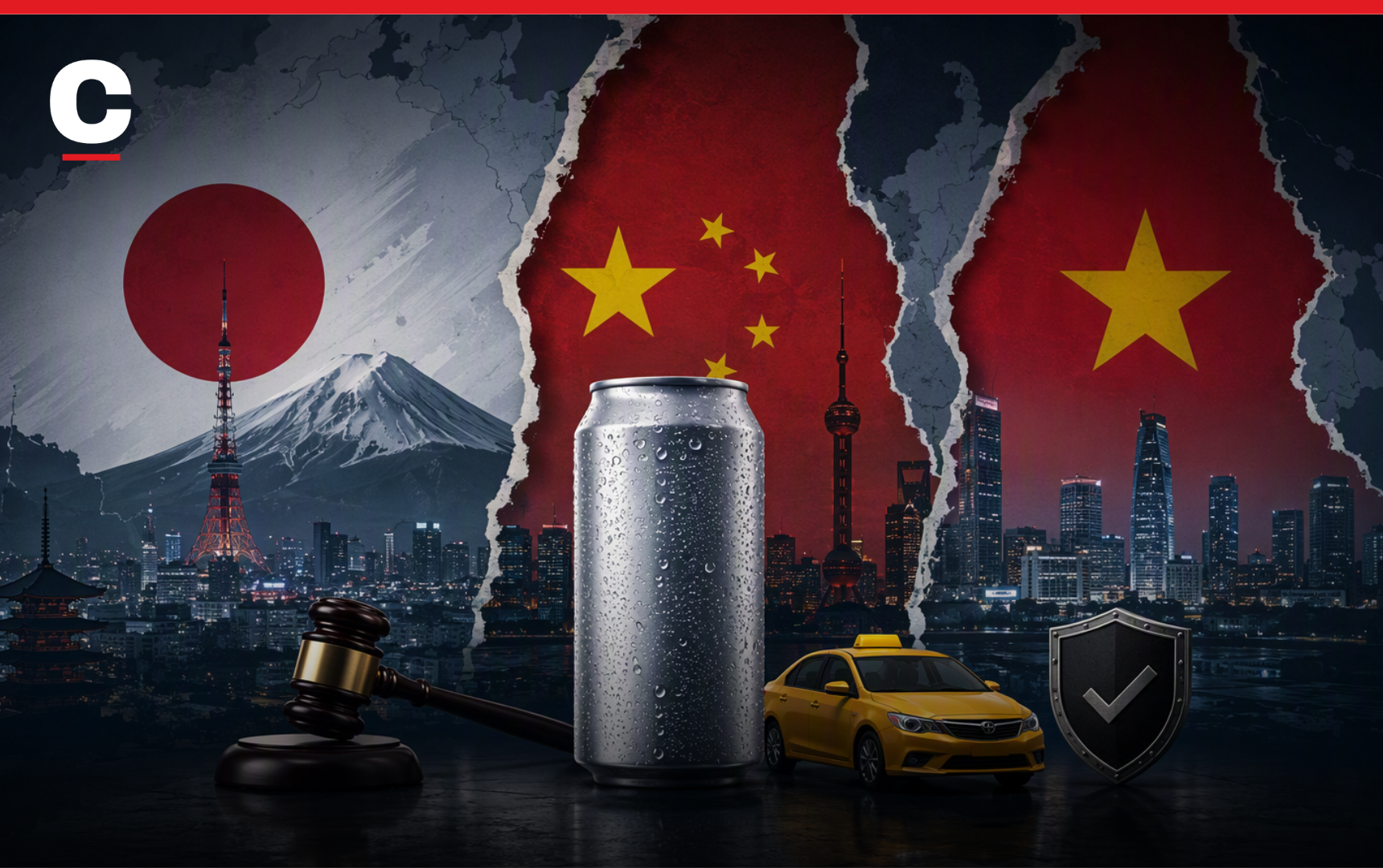
Why Asia's Zero-Alcohol Boom Looks Nothing Like a Single Regional Trend
Japan's non-alcoholic beer market is the world's second-largest, built on a 2007 drink-driving law and decades of brewer investment. China and Vietnam are following entirely different paths, shaped by cost, taxi availability and strict enforcement rather than a shared regional health trend.